The rich blue color of lapis lazuli has captured attention for thousands of years, appearing in ancient jewelry, royal decorations, and some of history’s most treasured artworks. Understanding lapis lazuli’s meaning involves more than its striking appearance. This natural stone carries a long history of trade, craftsmanship, and cultural symbolism. From its origins in Afghanistan to its use as the famous ultramarine pigment, lapis lazuli continues to appeal to people who appreciate gemstones with character and a story behind them. Today, its distinctive color and natural markings make it an enduring choice for handcrafted jewelry.
Key Takeaways
-Distinctive appearance: Lapis lazuli gets its deep blue color from lazurite, while pyrite flecks and calcite markings create unique natural patterns.
– Ancient origins: Sourced historically from Afghanistan, lapis lazuli traveled along ancient trade routes and was used in Egyptian jewelry, amulets, and royal decorations.
– Artistic significance: Lapis lazuli was processed into ultramarine pigment, a prized blue used in medieval and Renaissance paintings.
– Symbolic meaning: The stone has been associated with wisdom, truth, spirituality, royalty, and protection across different cultures.
– Modern appeal: Its rich color, natural variations, and versatility make it a popular choice for handcrafted pendants, earrings, and other gemstone jewelry.
– Care matters: With a Mohs hardness of around 5 to 5.5, lapis lazuli can scratch easily, so avoid harsh chemicals, impacts, and contact with harder gemstones.
People also search:
What is lapidary art?
What are the benefits of lapis lazuli?
Is lapis lazuli expensive?
What Is Lapis Lazuli? Understanding the Blue Stone
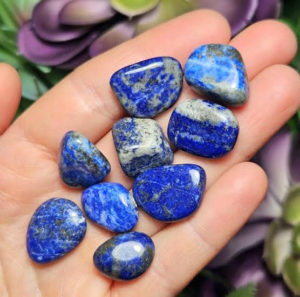
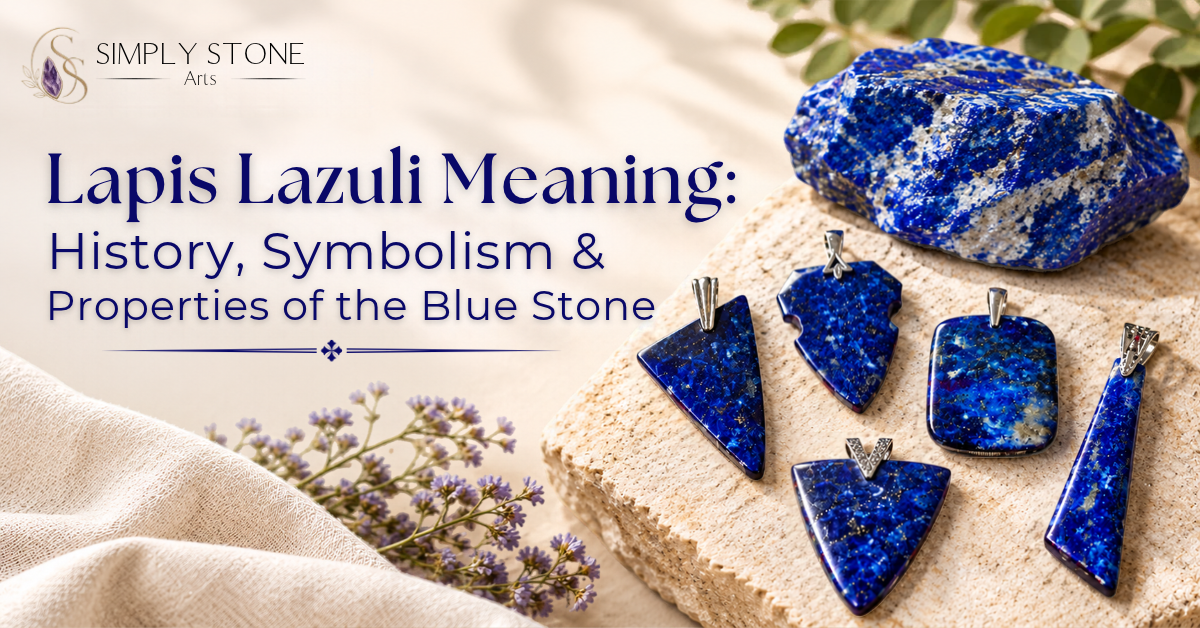
Lapis lazuli is an opaque, blue rock made up of several minerals. It is recognized for its intense color, often accented by golden flecks and pale veins. Unlike a gemstone made from a single mineral, lapis lazuli gets its appearance from the combination of materials within the rock. These natural details make each piece visually distinctive and help explain why it has remained popular in jewelry and decorative art.
The Minerals Behind Its Distinctive Appearance
The appearance of lapis lazuli depends on the minerals present and how they occur within the stone. Knowing what creates its color and markings helps explain why individual pieces can look different.
- Lazurite: This is the principal blue mineral responsible for the stone’s characteristic color.
- Pyrite: Small, metallic-looking golden flecks can resemble stars scattered across a blue sky.
- Calcite: White streaks or patches may appear within the blue material, creating contrast and variation.
The balance of these minerals influences the stone’s overall appearance. Some pieces feature a fairly uniform blue surface, while others have more visible gold-colored specks or pale markings. These differences are part of the appeal of natural lapis lazuli properties, especially for people who prefer gemstones with organic patterns rather than identical finishes.
Lapis Lazuli Properties That Influence Its Use
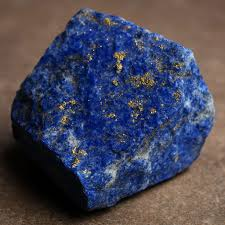
Lapis lazuli is valued for its opaque finish and saturated blue color, making it suitable for pendants, beads, earrings, inlays, and carved objects. Its relatively low hardness is an important consideration, however. It generally measures around 5 to 5.5 on the Mohs hardness scale, so it can scratch more easily than harder gemstones such as quartz.
For jewelry intended for regular wear, careful handling helps preserve the surface. Avoiding harsh chemicals, rough storage, and accidental knocks can help the stone retain its appearance over time.
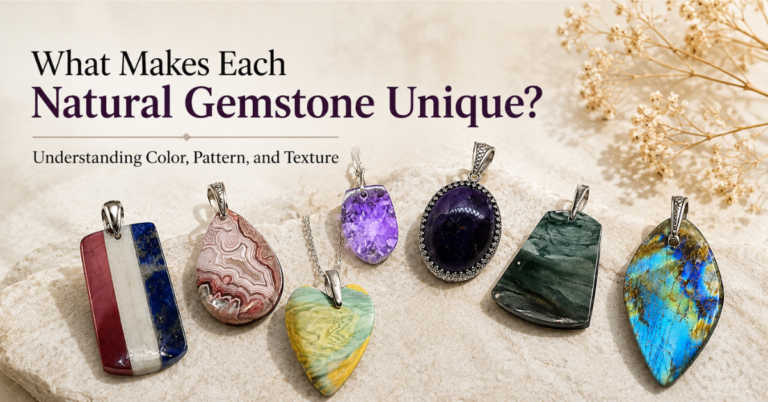
Interested in the natural details that make each gemstone different? Explore Simply Stone Arts’ related guide to what makes each natural gemstone unique→
Lapis Lazuli History: From Ancient Trade Routes to Modern Jewelry
The story of lapis lazuli stretches across continents and centuries. Long before modern gemstone markets existed, this blue rock traveled through trade networks and appeared in objects made for rulers, religious ceremonies, and everyday adornment. Its limited sources and vivid color helped establish its reputation as a valuable material.
Where Lapis Lazuli Comes From
To understand the stone’s history, it helps to start with its geological origins. Afghanistan, particularly the Badakhshan region in the northeastern part of the country, has been the most important historical source of high-quality lapis lazuli. The Sar-e-Sang mining area in the Hindu Kush Mountains is known for supplying the stone for thousands of years.
Reaching distant markets required considerable effort. Merchants transported lapis lazuli across trade routes connecting Central Asia with Mesopotamia, Egypt, and other parts of the ancient world. The distance it traveled added to its value and helped spread its use among cultures that had no local source of the stone.
Lapis Lazuli in Ancient Egypt
In ancient Egypt, lapis lazuli appeared in jewelry, amulets, decorative inlays, and objects associated with royalty and religious life. Its rich blue color offered a striking contrast with gold and other materials used by Egyptian craftspeople.
The stone’s association with sacred objects and elite adornment gave it significance beyond decoration. Its appearance may have helped connect it with ideas of the heavens and the divine, although beliefs and uses varied across periods and cultures. Its presence in ancient objects also shows how far trade networks reached to bring prized materials into Egypt.
From Ancient Adornments to European Art
Lapis lazuli’s influence extended beyond jewelry. When carefully processed, its blue mineral content could be used to create ultramarine pigment, a brilliant blue prized by European painters during the medieval and Renaissance periods.
Producing natural ultramarine involved a labor-intensive process to separate and concentrate the blue material. Because the pigment was expensive, it was often reserved for important details in valuable paintings and illuminated manuscripts. Its use in religious art helped establish blue as a color associated with significance and prestige.
Synthetic ultramarine became available in the 19th century, making the pigment much less expensive for artists. Even so, lapis lazuli’s contribution to the history of art remains an important part of its legacy.
Lapis Lazuli Meaning and Symbolism Across Cultures
The lapis lazuli meaning people associate with the stone today reflects a combination of historical traditions and modern interpretations. Different communities have connected it with qualities such as wisdom, truth, spirituality, and status. These associations are cultural beliefs rather than scientifically established effects, but they remain part of the stone’s appeal.
Wisdom, Truth, and Self-Expression
Lapis lazuli is often associated with wisdom, honesty, and thoughtful communication in modern gemstone symbolism. Its deep blue color can evoke the night sky or the vastness of the ocean, making it an appealing symbol for reflection and self-expression.
For some people, choosing a piece of lapis lazuli jewelry is a way to express personal values or mark a meaningful moment. Others simply appreciate its color and the natural details that make it different from more uniform stones. A gemstone can carry personal meaning without needing to represent the same thing to everyone.
Spirituality, Royalty, and Protection
Historically, lapis lazuli appeared in royal adornments, religious objects, and amulets. Its rarity and visual impact made it suitable for objects intended to communicate prestige or spiritual importance. In some traditions, amulets made with precious materials were believed to offer protection, though those beliefs varied.
Today, the stone continues to feature in jewelry chosen for its symbolic associations. When exploring lapis lazuli symbolism, it is worth distinguishing documented historical uses from contemporary spiritual interpretations. Both may influence why someone feels drawn to the stone, but neither changes its physical properties.
Why Lapis Lazuli Continues to Appeal Today
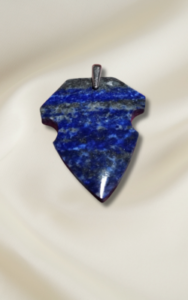
Although styles and jewelry-making techniques have changed, lapis lazuli still stands out for its bold color and natural variation. Its appeal comes from a combination of visual character, historical significance, and versatility.
A Deep Blue Stone With Natural Character
The saturated blue of lapis lazuli makes it easy to recognize. Depending on the piece, the surface may appear almost uniformly blue or show a mixture of golden pyrite flecks and white calcite markings. These features create variation that cannot be reproduced exactly in every natural stone.
That individuality suits handcrafted jewelry, where the shape and pattern of the stone can influence the finished design. A lapis lazuli pendant, for example, can become the focal point of a simple outfit, while smaller stones can add color to earrings or bead designs.
From Historical Significance to Personal Style
Modern jewelry allows lapis lazuli to be worn in ways that suit different preferences. A polished cabochon can emphasize the stone’s broad, smooth surface, while beads offer a more repetitive pattern for necklaces and bracelets. The choice depends on the stone’s markings, the design, and how the wearer plans to use it.
At Simply Stone Arts, natural stone selection and lapidary craftsmanship help bring out the individual character of each material.
CTA: If you prefer jewelry created around a particular stone or design idea, explore custom gemstone jewelry options→
How to Choose and Care for Lapis Lazuli Jewelry
When choosing lapis lazuli, appearance is only one consideration. The stone’s natural markings, the way it has been cut, and how the finished jewelry will be worn all matter. Since lapis lazuli is not as hard as many common jewelry gemstones, thoughtful care is also important.
What to Look for When Choosing a Piece
There is no single pattern that every attractive piece of lapis lazuli must have. Some people prefer a consistent blue surface, while others enjoy the contrast created by pyrite flecks or calcite veins. Consider these features when comparing pieces:
- Color: Look for a shade of blue that appeals to you, from rich royal blue to slightly lighter or violet-tinged tones.
- Natural markings: Decide whether you prefer visible golden flecks, white streaks, or a more even appearance.
- Cut and finish: A smooth cabochon can emphasize the stone’s color, while beads and carved shapes offer different design possibilities.
- Craftsmanship: Check that the stone is securely set and that the finished piece suits how you intend to wear it.
If you are interested in stones shaped and finished for jewelry, you can also explore Simply Stone Arts’ cabochons for jewelry makers→
Simple Care Tips for Long-Lasting Wear
Lapis lazuli benefits from gentle handling. Wipe it with a soft, slightly damp cloth when needed, then dry it carefully. Avoid harsh chemicals, abrasive cleaners, ultrasonic cleaners, and prolonged soaking, particularly when the stone is set in jewelry with other materials.
Because its Mohs hardness is relatively low, store lapis lazuli separately from harder gemstones to reduce the chance of scratches. Remove jewelry before strenuous activities that could expose it to impacts, and check clasps or settings periodically to ensure the stone remains secure.
Final Thoughts: The Lasting Appeal of Lapis Lazuli
Lapis lazuli has endured because its appeal reaches beyond its striking blue color. Its origins in Afghanistan, its place in ancient adornment, its symbolic associations, and its role in producing ultramarine pigment all contribute to a remarkable history. Yet the stone remains relevant today for a simpler reason, too: its natural patterns and rich color make every piece visually distinctive.
At Simply Stone Arts, the beauty of natural stones is central to the lapidary process. Each stone has its own character, and thoughtful cutting and polishing can bring that character into focus. To discuss a custom design or ask about available pieces, contact Simply Stone Arts at +1 908-672-8578 or visit the custom order page. Contact the Simply Stone Arts team to confirm current availability and working days.
Frequently Asked Questions
What does lapis lazuli mean?
Lapis lazuli is a deep blue rock that has been valued for thousands of years. Its name is linked to words meaning stone and blue, and its traditional symbolism often includes wisdom, spirituality, and royalty.
Where does lapis lazuli originally come from?
Afghanistan, especially the Badakhshan region, is the best-known historical source of high-quality lapis lazuli. Deposits are also found in other places, including Chile and Russia.
Why was lapis lazuli so valuable in ancient times?
Its intense blue color, limited sources, and long-distance trade made it a prized material. It was used in jewelry and decorative objects and later processed into ultramarine, a costly pigment favored by artists.
What gives lapis lazuli its blue color?
The blue color comes primarily from lazurite within the rock. Pyrite can create golden flecks, while calcite may appear as white veins or patches.
Is lapis lazuli suitable for everyday jewelry?
Yes, lapis lazuli can be worn regularly with care. Because it is softer than many popular gemstones, it avoids impacts, abrasive cleaning, and storage alongside harder stones that may scratch its surface.
Note: Lapis lazuli’s appearance, properties, and care requirements may vary by stone. Symbolic meanings reflect cultural traditions and are not scientifically proven.